The Power of Shadow Analysis: Ensuring Design Integrity & Comfort
In modern architectural design and urban planning, evaluating the impact of natural light and shadows goes far beyond pure aesthetics. It is a fundamental factor that determines spatial comfort, passive energy efficiency, and the overall integrity of your building within its context.
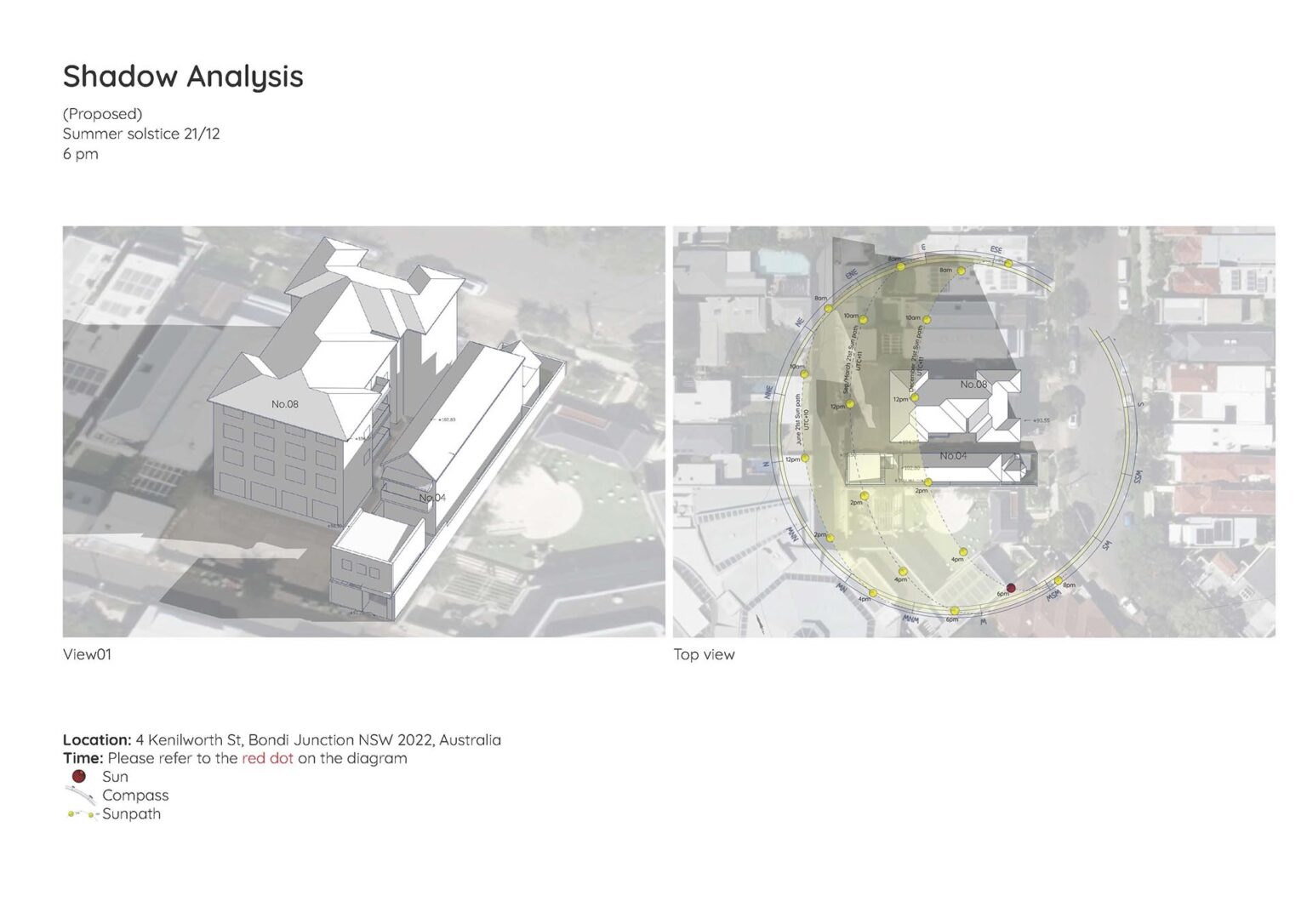
To give you a clearer picture of how this works in practice, I want to share a recent Shadow Analysis project I conducted for a site in NSW, Australia.


The Core Objectives of the Analysis
When dealing with urban infill or residential projects, a meticulous shadow study is often required by local councils to ensure you aren’t severely impacting your neighbors. For this project, the main goals were to:
Assess Overshadowing: Accurately evaluate the level of light obstruction cast upon neighboring properties and public spaces.
Optimize Facade Design: Use the data to refine shading devices, overhangs, and window placements.
Ensure Compliance: Provide precise, visual data to convince stakeholders and meet strict local planning standards.
Breaking Down the Critical Timelines
Check out the short demo video below to see how the building’s shadow interacts with its environment throughout the year:
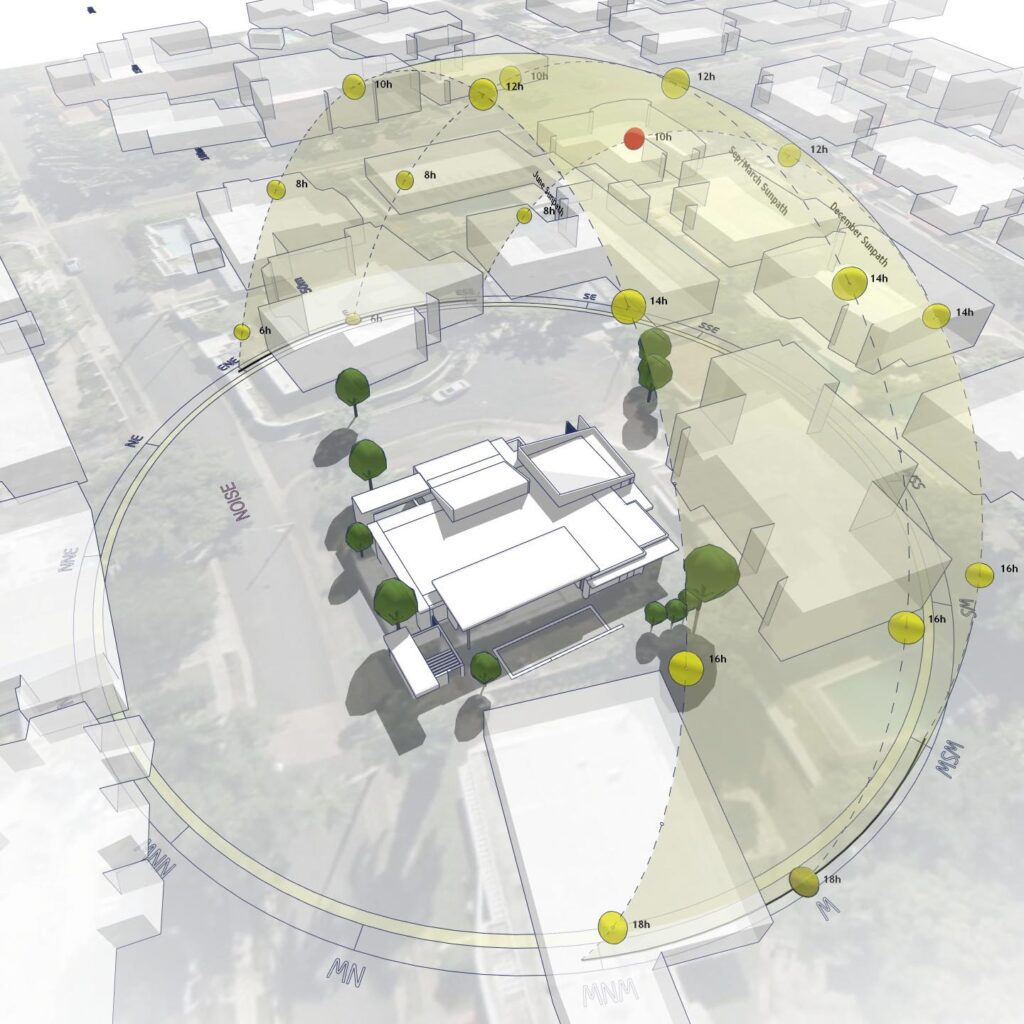
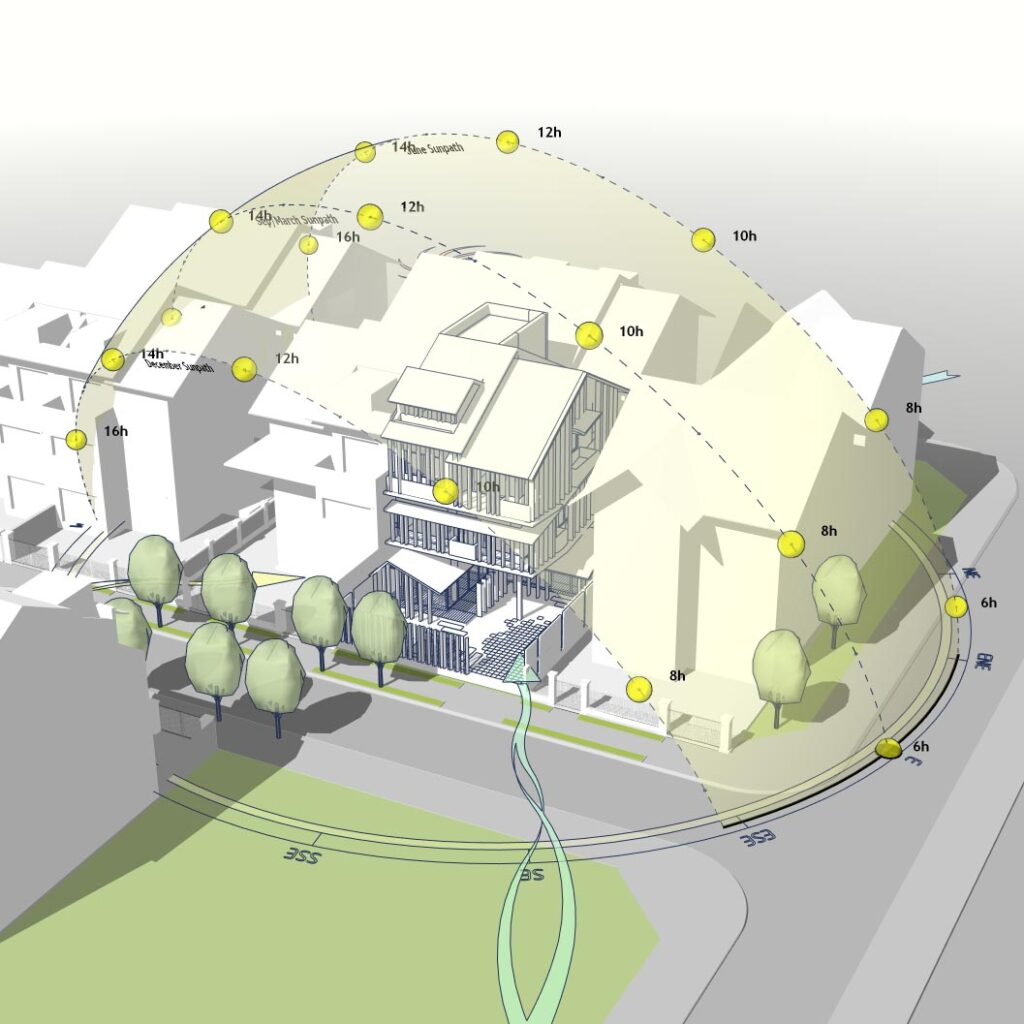
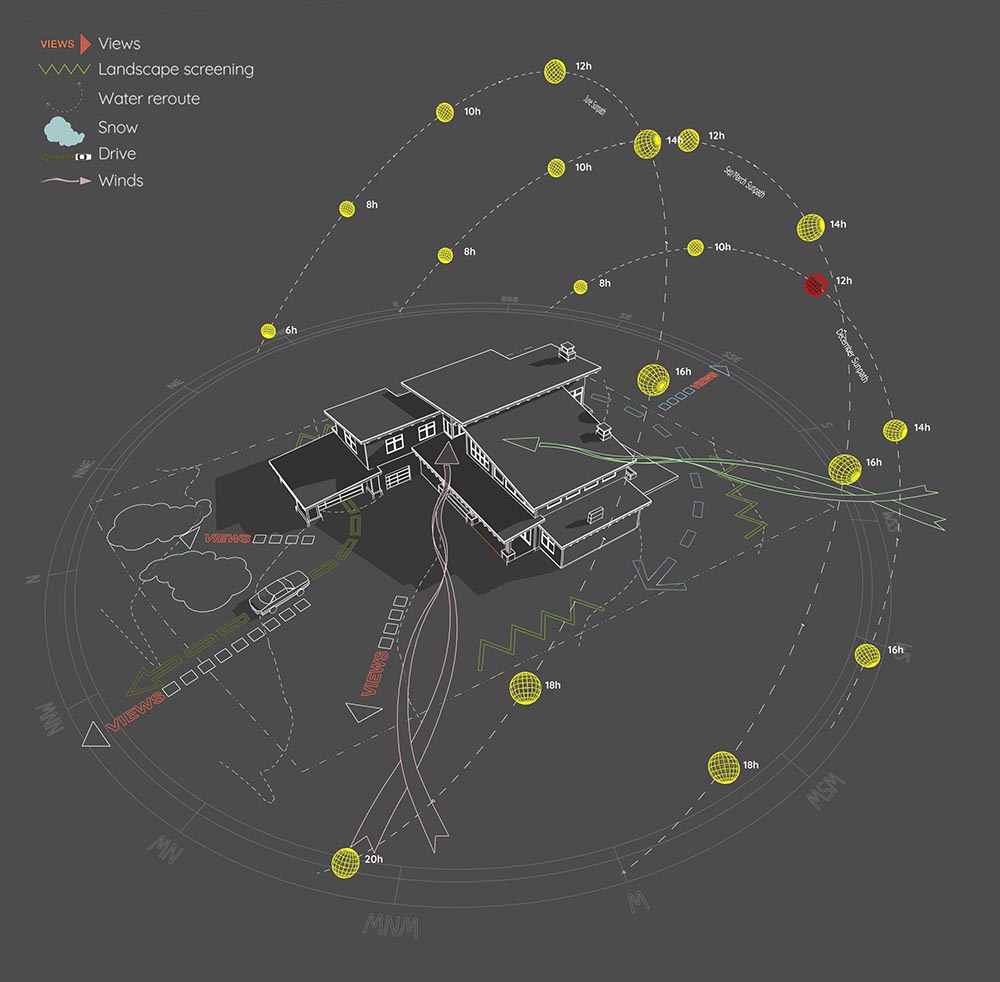
To generate the results seen in the video, we simulate the sun’s path across three vital milestones in the solar year. By visualizing both 3D perspective views and Top Views (complete with a sunpath diagram and compass), we can track the exact angle and length of the shadows hour by hour:
Winter Solstice (June 21 in the Southern Hemisphere): Analyzed from 9:00 AM to 3:00 PM. This is when the sun sits lowest in the sky, casting the longest shadows. It represents the “worst-case scenario” for daylight access.
Equinox (March 21 & September 21): Analyzed from 8:00 AM to 4:00 PM. This represents the transitional periods of the year with average sunlight exposure.
Summer Solstice (December 21): Analyzed from 7:00 AM to 6:00 PM. With the sun at its highest peak, this data is crucial for designing passive cooling strategies and mitigating harsh glare.
Streamlining the Workflow: The Sun Diagram Tool
As discussed in our previous deep dive, Study on Light, understanding solar geometry is one thing, but efficiently presenting it to clients is another.
Creating smooth, accurate shadow animations and precise 2D sunpath overlays in SketchUp used to be a tedious, manual process prone to time-zone errors. To solve this exact bottleneck, I utilize the Sun Diagram extension.
Built specifically to handle rigorous architectural standards, Sun Diagram transforms SketchUp into a powerhouse for solar studies. Here is why it is essential for projects like the Bondi Junction study:
Interactive Dashboard: Features real-time shadow sliders, allowing you to fluidly scrub through times and dates without diving into clunky native menus.
Flawless Time Zone Logic: Automatically handles complex daylight saving time logic and fractional UTC time zones, ensuring your local data is 100% accurate for council submissions.
One-Click Sunpath Generation: Instantly generates a professional 2D graphic of the solar trajectory, dropping a clear compass and sun markers right into your Top View.
A high-quality shadow analysis is the hinge upon which a sustainable, neighbor-friendly design swings. If you want to stop guessing and start proving your design’s integrity, you can streamline your entire SketchUp workflow today.
Download Sample Project Files
Ready to explore the setup? Download the files below to test the Sun Diagram workflow on your own machine and reuse the assets for your projects.
About the Author
Nam Nguyen
Architect & Software Developer | Founder of Febhouse & ArchiDiagram
I build tools like Sun Diagram, Dynamic Symbols, and Shadow Slice to help architects work smarter.